Quick Answer
Aluminum patio roofs come in three types, and the right one depends on how you want to use the space. A louvered roof has adjustable blades you open for sun and airflow and close for full shade and rain, so it is the pick when you want control. A solid roof gives permanent full coverage for rain-or-shine shelter. A lattice roof is fixed and open for partial, filtered shade. All three share the same extruded aluminum, stainless fasteners, and powder-coated finish, so the difference is function, not durability. As an authorized Outdoor Elements dealer and installer, Morales Outdoor Living builds all three.
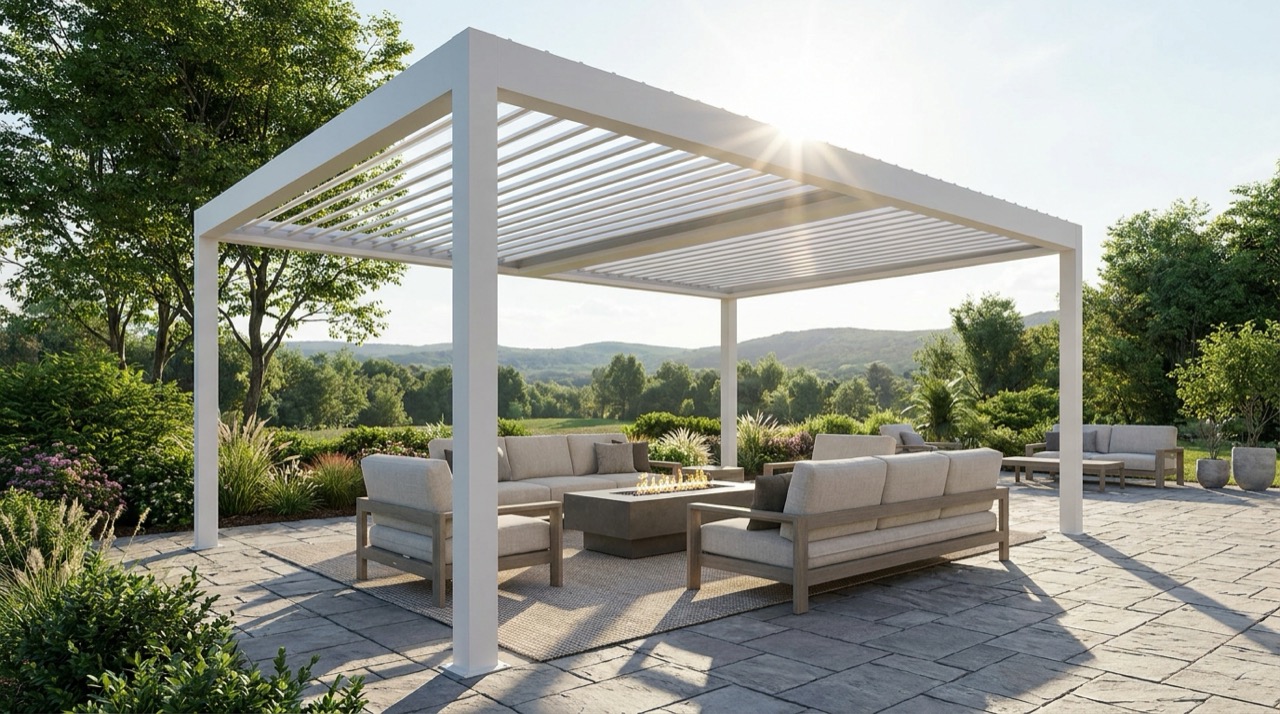
- Louvered (adjustable): motorized blades pivot from open sky to a sealed, watertight roof; the Solace is a dual louvered system with an 8 inch adjustable louver, rated to a 70 lb snow load and 160 MPH wind, and can carry a rain sensor.
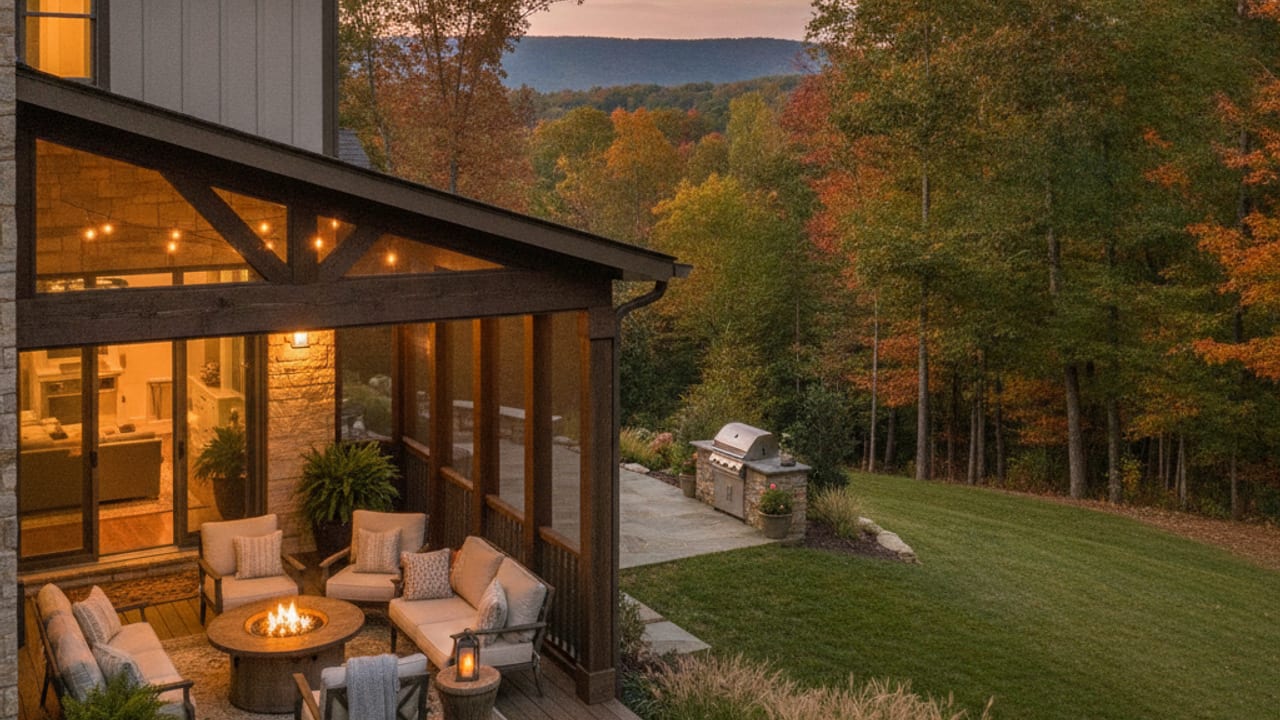
- Solid (full coverage): fixed insulated panels that always shade and shed rain and run cooler underneath; the Skypeak is a pitched-roof version. This is the value end of the aluminum family.
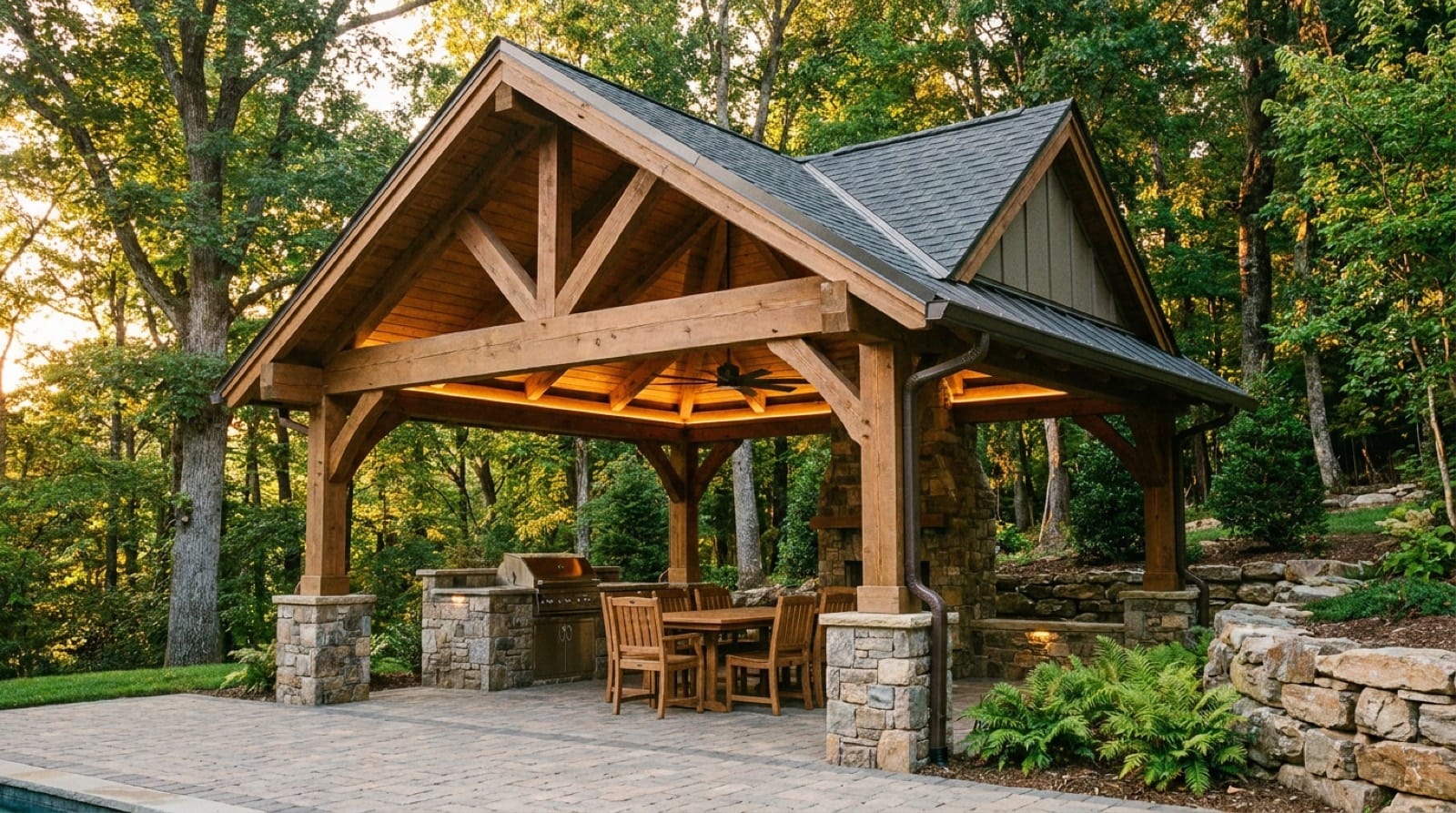
- Lattice (partial shade): an open extruded aluminum lattice, offered in the Skyview style, that casts filtered shade and defines a space without closing it to rain.
- Decision shortcut: if you need to keep rain off, choose between louvered (shelter plus open sky on demand) and solid (no-fuss full coverage); if you only want to cut sun and define the area, choose lattice.
What is the difference between louvered, solid, and lattice aluminum roofs?
A louvered roof has adjustable blades for sun or full shade and rain protection on demand. A solid roof is fixed full coverage for all-weather shelter. A lattice roof is open and fixed for filtered, dappled shade without rain protection.
Which aluminum patio roof should I choose?
If you want control over sun and rain, choose louvered. If you want reliable full-time coverage at a lower cost, choose solid. If you mainly want to soften the sun and define the space, choose lattice. Match the roof to how you actually use the area.
The Short Answer
Aluminum patio roofs come in three types, and the right one depends entirely on how you want to use the space. A louvered roof has adjustable blades you open for sun and airflow and close for full shade and rain protection, so it is the pick when you want control. A solid roof gives permanent, full coverage for rain-or-shine shelter, so it is the pick when you want a true all-weather room. A lattice roof is fixed and open for partial, filtered shade, so it is the pick when you want architecture and dappled light more than weather protection. As an authorized Outdoor Elements dealer and installer, we build all three. Here is how to choose. Compare them side by side in our shade structure comparison.
The Three Roof Types, Plainly
Every aluminum roof in this family shares the same bones, extruded aluminum, stainless fasteners, and a powder-coated finish, so the difference between them is function, not durability. What changes is what the roof does over your head:
- Louvered (adjustable). Motorized blades pivot from open sky to a sealed, watertight roof, so you tune light, airflow, and rain protection on demand.
- Solid (full coverage). A fixed, insulated panel roof that always shades and sheds rain, running cooler underneath and quieter in a storm.
- Lattice (partial shade). An open extruded aluminum lattice that casts a pattern of filtered shade and defines a space without closing it off.
Louvered: When You Want Control
A louvered roof is the most flexible option, and it is the one to choose if the same space needs to do different jobs at different times. Open the blades on a mild morning for sun and breeze, tilt them at midday to cut the harshest light while keeping airflow, and close them tight when a storm rolls in. The Outdoor Elements Solace is a dual louvered system engineered to a 70 lb snow load and 160 MPH wind, with an 8 inch adjustable louver, and it can carry a rain sensor that closes the roof automatically when the weather turns.
This is the right pick over a pool, an outdoor kitchen, or a main entertaining patio, anywhere you want to protect furniture and electronics but also want open sky when the day is perfect. It is the most sophisticated of the three, which our louvered vs solid aluminum patio cover guide gets into in detail.
Solid: When You Want Full-Time Shelter
A solid roof does one thing and does it completely: it covers the space, all the time, in every kind of weather. Outdoor Elements builds this as solid insulated panels, and the Skypeak is a pitched-roof version for a more traditional, roof-like profile. Because the panels are insulated, the space underneath stays cooler in summer sun, and rain is quieter overhead than on a thin metal cover.
Choose solid when the space is really an outdoor room you want to use rain or shine, when you are protecting an outdoor kitchen or a mounted TV that should never see weather, or when you simply do not want to think about adjusting anything. It is also the value end of the aluminum family, which matters if full coverage, not adjustability, is your goal. This is the same full-coverage logic behind a pavilion, just in aluminum.
Lattice: When You Want Filtered Shade
A lattice roof is the most architectural and the most open of the three. The extruded aluminum lattice, offered in the Outdoor Elements Skyview style, casts a rhythm of light and shadow across the space, softening the sun without blocking it and giving the structure a finished, designed look. It does not close against rain, so it is a shade and definition tool rather than a shelter.
Choose lattice when you want to define a patio or walkway, add filtered shade over a seating area, or get the clean architectural lines of a classic open pergola in a material that never needs maintenance. It is the closest aluminum equivalent to a traditional slatted pergola, with none of the wood upkeep.
A Simple Decision Framework
If you are stuck, answer one question first: do you need to keep rain off the space? If yes, you are choosing between louvered and solid, and the follow-up is whether you also want open sky when the weather is nice. Want both shelter and sun on demand, choose louvered. Want reliable, no-fuss full coverage at a lower cost, choose solid. If you do not need rain protection and mostly want to cut the sun and define the area beautifully, lattice is your answer. Matching the roof to the actual use is the whole game, the same way we match the structure type to the space, and it is worth weighing against a screened porch versus a covered patio if bugs are part of your calculation.
How They Compare on Cost
Roof type is also the biggest lever on price, so the decision has a budget side. A solid insulated aluminum cover runs about $18,000 to $35,000, while a motorized louvered roof runs about $45,000 to $80,000, and a large-span louvered system with screens and upgrades reaches about $80,000 to $130,000+. Lattice sits in the family of open aluminum structures rather than sealed roofs. Because size, span, and upgrades all move the number, we quote every one per project. Our aluminum patio covers page and the pergola cost guide frame the full picture.
Match the Roof to How You Live
There is no single best aluminum roof, only the best one for how you actually use your backyard. Louvered gives you control, solid gives you shelter, and lattice gives you architecture and filtered light, and all three deliver the same decades of low-maintenance aluminum underneath. To figure out which fits your space, your climate exposure, and your budget, get in touch and we will walk your yard, or request an estimate to put a real number on the option you are leaning toward.
Christopher Morales
Co-founder of Morales Outdoor Living. 16+ years designing and building pools, patios, decks, and complete outdoor living spaces across East Tennessee. TN License #77919.
Meet the team