Quick Answer
It comes down to one distinction. For a single rental cabin whose pool is used only by the household staying there and their private guests, Tennessee Department of Health Rule 1200-23-05 (revised September 2024) defines that as a residential pool, which sits outside the state public-pool program. When the pool is a shared amenity serving multiple units or registered guests, such as a multi-cabin resort, condo, apartment, or hotel or motel, it is a Type B public pool with health-department oversight. Interpretation and enforcement are still county-level, so confirm your specific situation with the county health department before you build. Morales Outdoor Living helps owners work through the classification and builds to whatever standard applies.
- Rule 1200-23-05 defines a residential pool as one serving no more than three living units, with use confined to the family of each residence and their private guests; residential pools are excluded from the TDH public-pool program, and a single rental cabin's own pool generally fits that definition.
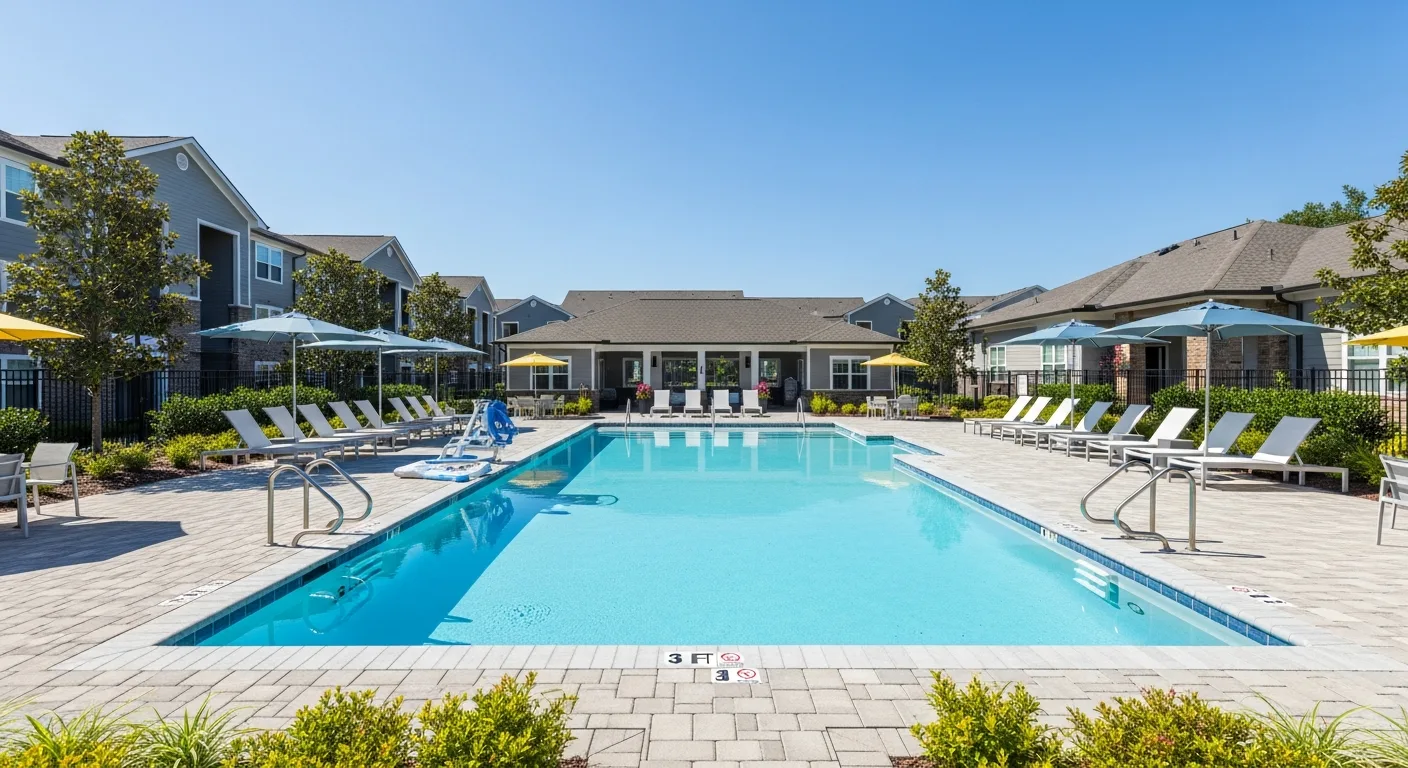
- A shared amenity pool serving multiple units or registered guests is a Type B public pool; the rule names motels, apartments, condominiums, multi-family HOAs, subdivisions, and travel camps as examples. There is no separate semi-public tier in the rule.
- When a pool is Type B, health-department oversight applies: routine inspections, public-pool barrier and access standards, required signage, water-quality testing and recordkeeping, and equipment standards such as anti-entrapment drain covers.
- No statute or rule names Airbnb and there is no explicit short-term-rental exemption; interpretation and enforcement are county-level, and Sevier County has a dense rental market, so verify your specific situation with the county health department before you build.
Is my Airbnb pool automatically a public pool in Tennessee?
No. A single rental cabin's own pool, used only by the household staying there and their private guests, generally fits the residential-pool definition in Rule 1200-23-05 and sits outside the public-pool program. It becomes a Type B public pool when it is a shared amenity serving multiple units or registered guests. Confirm your specific situation with your county health department.
What applies when a pool is a Type B public pool?
Health-department oversight: routine inspections, public-pool fencing and access standards, signage, chemical testing and logging, and equipment standards. Interpretation and enforcement happen at the county level, so confirm the specifics with your county health department.
The Short Answer
It comes down to one distinction, and Tennessee's own rule draws it cleanly. For a single rental cabin whose pool is used only by the household staying there and their private guests, the state's definition of a "residential pool" fits, and residential pools sit outside the Tennessee Department of Health public-pool program. The moment that pool becomes a shared amenity serving multiple units or registered guests, it becomes a public pool with health-department oversight. Knowing which side of that line your project falls on is the single most important thing to settle before you build. We help owners work through it and build to whatever standard applies. Learn more about how we approach short-term rental pools.
What the Rule Actually Says
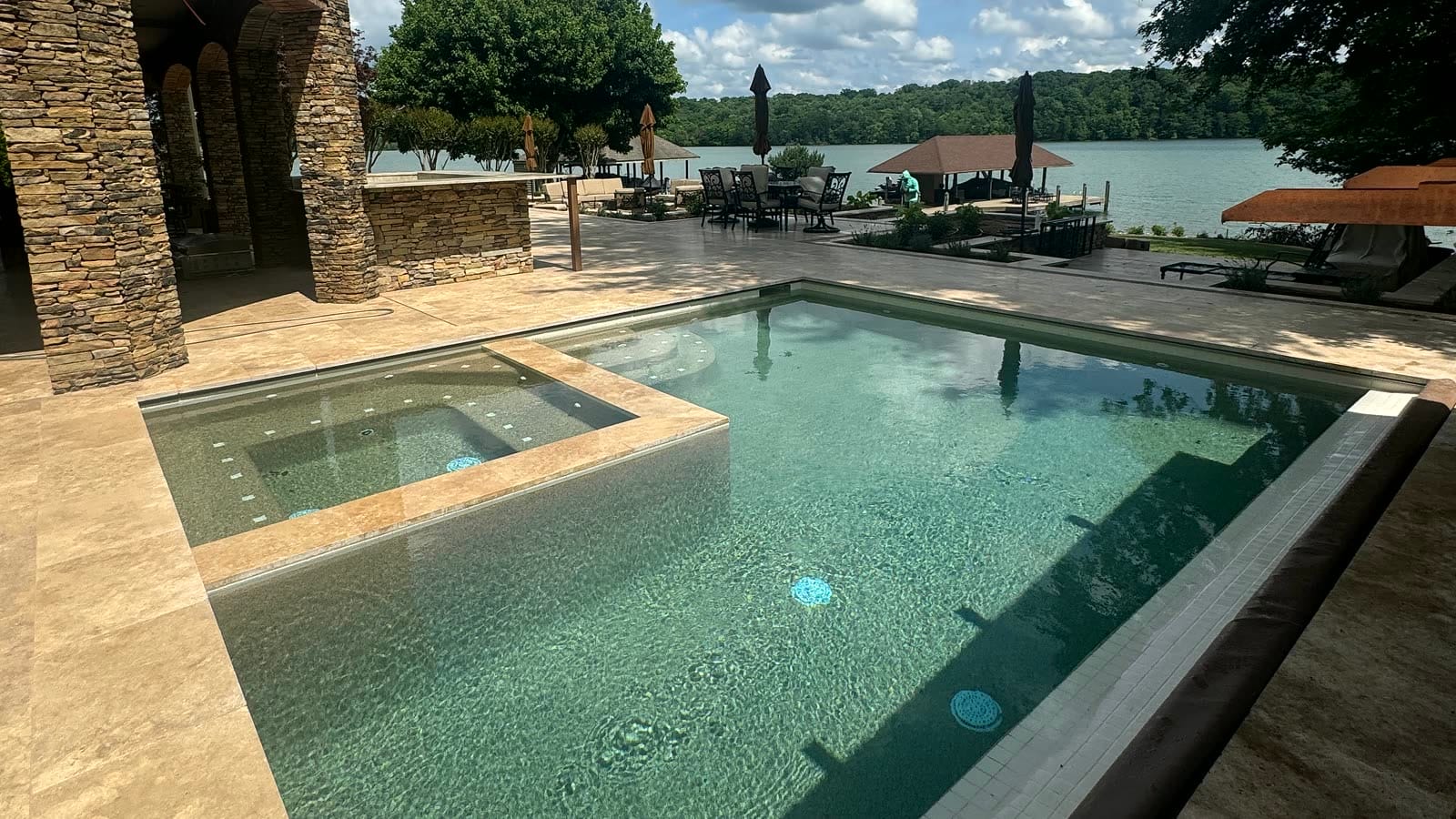
The governing text is Tennessee Department of Health Rule 1200-23-05, revised September 2024 (official PDF). It defines a "residential pool" as any pool that serves no more than three living units, with use confined to the family of each residence and their private guests. Residential pools are excluded from the state public-pool program. That is the category a single rental cabin's own pool generally fits: one house, the household renting it, and the guests they bring.
A "public swimming pool" is any pool other than a residential or therapeutic one used for swimming or recreation, whether admission is charged or not. The rule splits public pools into two types. Type A is open to the general public, along with institutions, camps, and clubs. Type B is restricted to residents, members, or registered guests, and the rule names the examples directly: motels, apartments, condominiums, multi-family HOAs, subdivisions, and travel camps. There is no separate "semi-public" tier in the rule, just residential, Type A, and Type B.
The Two Branches, Plainly
- A single rental cabin, its own pool, private guests only. This generally fits the residential definition and sits outside the TDH public-pool program. You still pull a building permit and meet the residential barrier and safety code, but the health-department public-pool regime does not attach.
- A shared amenity pool. A multi-cabin resort, a condo development, an apartment community, or a hotel or motel pool serves multiple units and registered guests. That is a Type B public pool, and it carries health-department oversight.
One caveat worth stating plainly: no statute or rule uses the word "Airbnb," and there is no explicit short-term-rental exemption written anywhere. The classification follows how the pool is actually used and served, not the booking platform.
What Applies When a Pool Is Type B
If your project is a shared amenity and lands as a Type B public pool, here is the general shape of what that oversight brings, so you know what to plan for:
- Routine inspections. A Type B pool is subject to health-department inspection rather than a one-time building sign-off.
- Barrier and access requirements. Fencing, gate, and self-latching hardware standards are enforced to the public-pool standard.
- Signage. Public pools are required to post rules, depth markings, capacity, and emergency information.
- Water-quality records. There are requirements around chemical testing, logging, and maintaining records that a homeowner would never keep.
- Equipment standards. Items like anti-entrapment drain covers and specific circulation and turnover expectations apply.
County Interpretation Still Matters
The rule sets the definitions, but interpretation and enforcement happen at the county level, and East Tennessee counties do not all handle rentals identically. Sevier County, home to Gatlinburg and Pigeon Forge, has a dense short-term rental market, and the counties around Knoxville each run their own permitting and health offices. Before you build, verify your specific situation with the county health department that governs your parcel, especially if your project sits anywhere near the line between one cabin and a shared amenity. Our county-by-county pool permit guide and our look at Knox County's pool, fence, and safety rules show how much paperwork and enforcement can differ from one jurisdiction to the next.
How We Help You Navigate It
We are licensed in Tennessee for residential and small commercial work (license #77919), and we build pools for short-term rentals, cabins, and small hospitality across East Tennessee. When a project lands on the Type B side, we build to the barrier, drain, signage, and equipment standards that apply, coordinate the permitting and inspections, and design for the heavier, shared use an amenity pool actually sees. A pool used by a rotating stream of guests takes more wear than a family pool, so durable finishes and inspection-ready equipment are worth planning in from the start, the same way we scope commercial resurfacing for apartment and amenity pools.
Because the scope depends on your property and its classification, commercial and shared-amenity pool work is bid per property after a walkthrough, not off a price list. We do not take on municipal aquatic centers or water parks; our lane is residential and small commercial.
The Honest Bottom Line
The line is clearer than the old "it depends" made it sound. A single rental cabin's own pool, used only by the household staying there and their private guests, generally fits Tennessee's residential-pool definition and sits outside the public-pool program under Rule 1200-23-05. A shared amenity pool serving multiple units or registered guests is a Type B public pool with health-department oversight. Interpretation and enforcement are still county-level, so confirm your specific situation with the county health department before you build, then build to the right standard once.
Planning a pool for a cabin or rental, or unsure where your existing one stands? Request a walkthrough and we will help you scope it against the right standard, or get in touch and we will point you at the right questions to ask your county.
Christopher Morales
Co-founder of Morales Outdoor Living. 16+ years designing and building pools, patios, decks, and complete outdoor living spaces across East Tennessee. TN License #77919.
Meet the team