Quick Answer
Renovating an HOA or apartment amenity pool is as much a scheduling and communication project as a construction one. The keys are timing the work into the off-season, phasing it so the amenity is down as briefly as possible, deciding honestly between a resurface and a full renovation, fitting the board budget cycle, and keeping residents informed with real dates. Commercial renovation is bid per property after a walkthrough.
- The off-season, roughly fall through early spring, is the natural window for amenity renovation, but those slots fill up, so boards that plan a season ahead get the smoothest projects.
- A resurface suits a pool with a failing finish but sound structure and equipment; a full renovation makes sense when finish, tile, coping, deck, and equipment are all aging together and can be done in one drained mobilization.
- HOA and apartment projects run on reserve studies, board votes, and annual budgets, so scoping and quoting has to happen early enough to fit those cycles.
- For a residential frame only, renovation runs about $18,000 to $30,000+ (resurface), $35,000 to $65,000 (refresh), and $70,000 to $150,000+ (full transformation); an amenity pool is quoted per property.
When should an HOA schedule a pool renovation?
In the off-season, so the amenity is down when residents least expect to use it. Because those windows fill up, start scoping a season ahead of when you want the work done.
Does my community pool need a full renovation or just a resurface?
A resurface if only the interior finish is failing; a full renovation if the tile, coping, deck, and equipment are aging together. We tell you which honestly rather than upselling.
The Short Answer
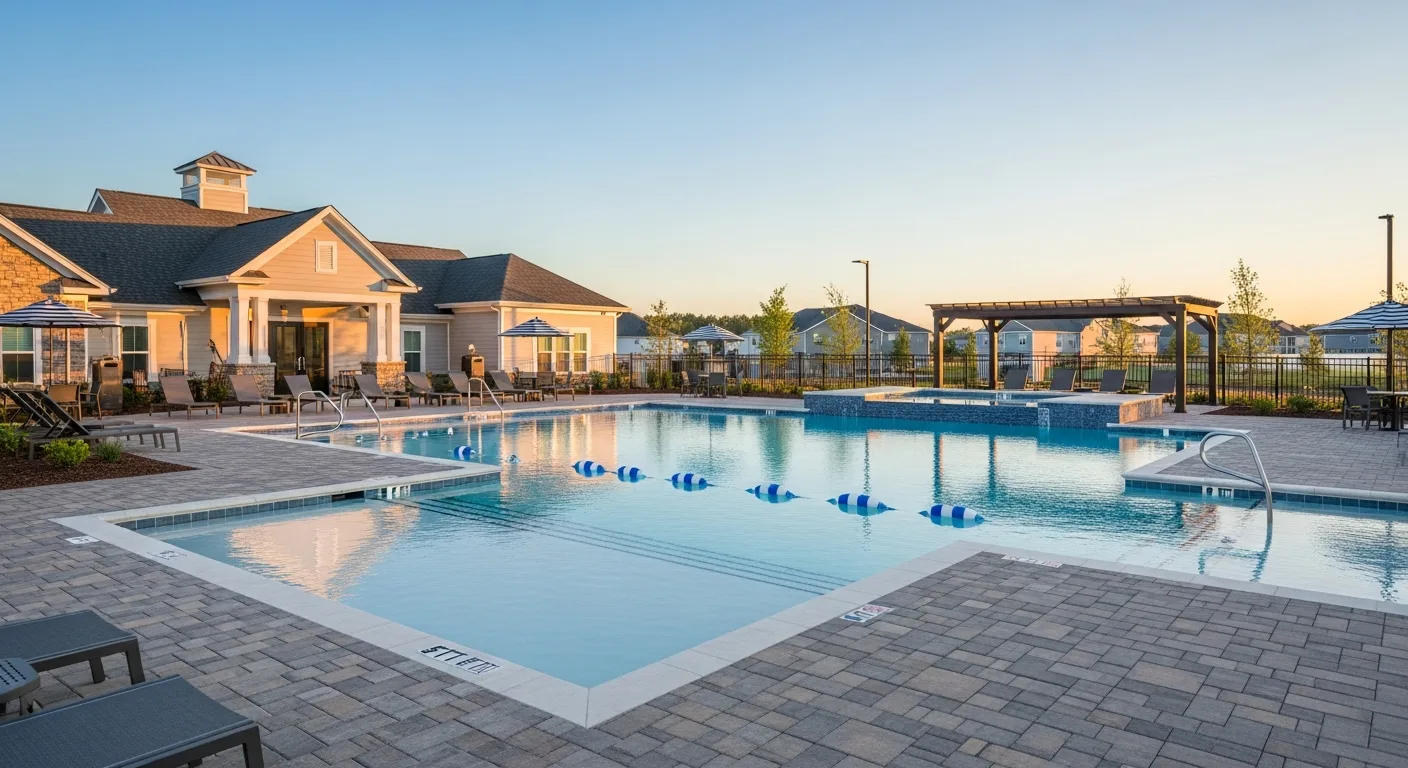
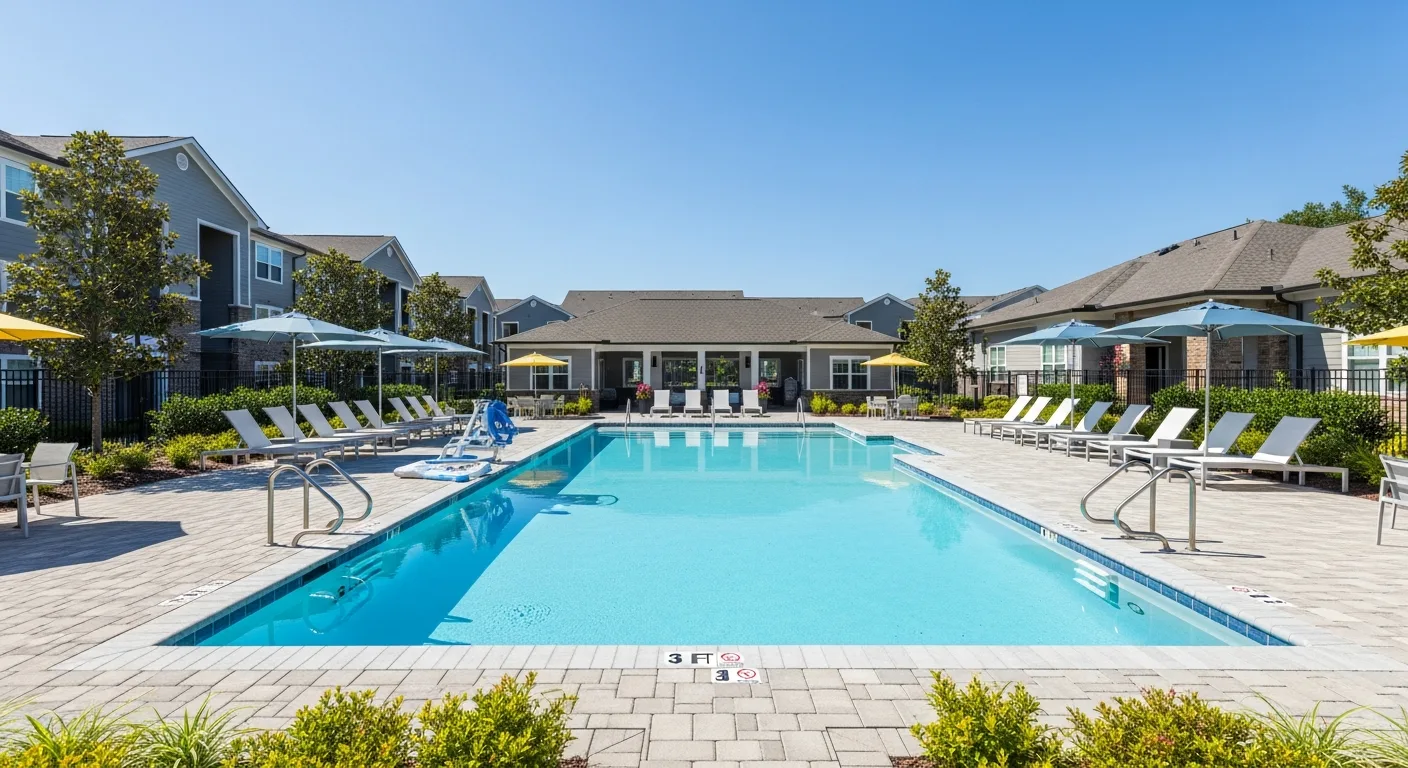
Renovating an HOA or apartment amenity pool is as much a scheduling and communication challenge as a construction one. The work itself is straightforward for a team that does it. What makes or breaks a commercial renovation is timing it around the season, phasing it so the amenity is down for as short a window as possible, deciding honestly whether you need a resurface or a full renovation, and keeping the board and residents informed the whole way. We handle all of that as one local team. Learn more about how we serve apartment and HOA amenity pools.
Start With the Calendar, Not the Contract
For an amenity pool, the single most important decision is when the work happens. A community pool that closes over a holiday weekend generates complaints and, for apartments, can affect renewals. So we plan backward from your season. In East Tennessee, the natural window for amenity pool renovation is the off-season, roughly fall through early spring, when the pool would be closed or lightly used anyway. Booking the work into that window means the amenity is offline when residents least expect to use it, and open and refreshed when the season arrives. The catch is that off-season slots fill up, so the boards that get the smoothest projects are the ones that plan a season ahead rather than scrambling in May.
Resurface or Full Renovation? The Honest Decision
Not every tired pool needs a full renovation, and we will tell you which one yours needs rather than upselling. The decision usually comes down to what is actually failing:
- A resurface addresses the interior finish when it has gone rough, stained, or porous, but the structure, deck, and equipment are still sound. It is the shorter, lower-cost path and often the right one.
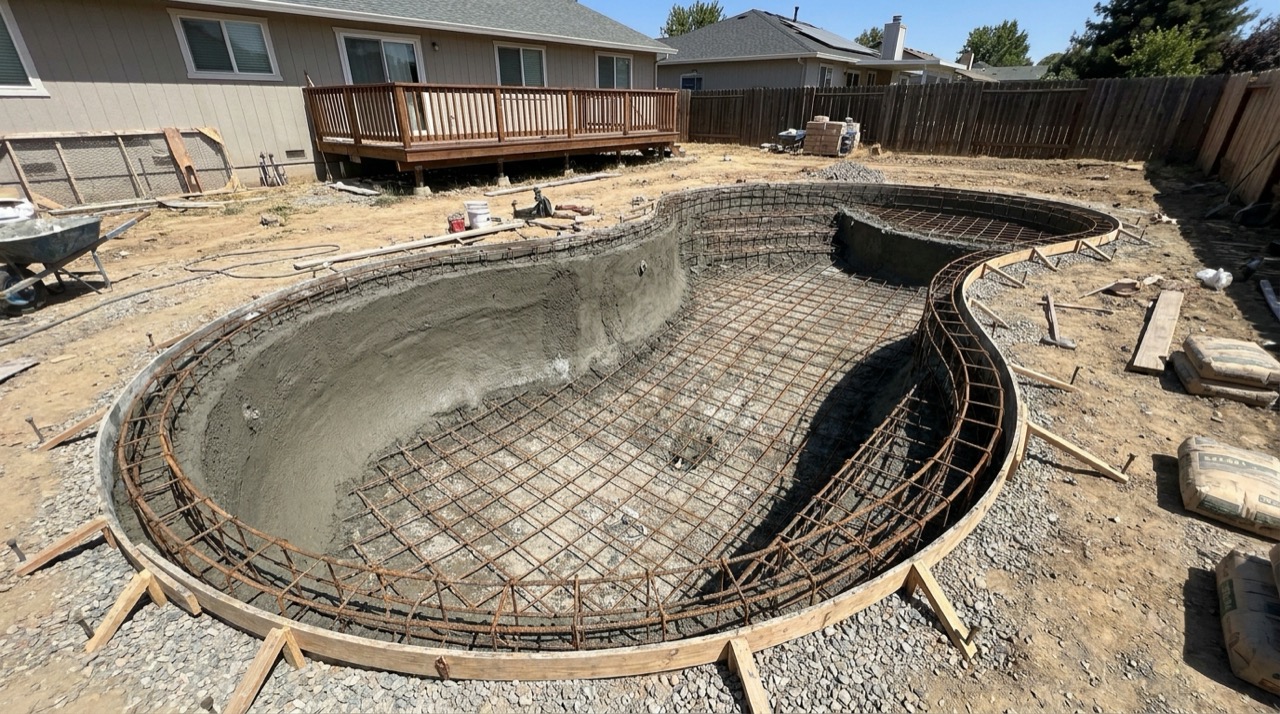
- A full renovation makes sense when the finish, the waterline tile, the coping, the deck, and the equipment are all aging together. Doing them in one mobilization, while the pool is already drained, is far more cost-effective than draining and remobilizing for each piece later.
The framework we use for homeowners in pool renovation versus a new pool and what a pool renovation includes applies to amenity pools too, just scaled up for heavier shared use and a board's budget cycle.
Phasing to Keep the Amenity Open
When a full renovation is needed, phasing is how we protect resident goodwill. Rather than closing everything at once for the longest possible window, we sequence the work so the pool area is usable for as much of the project as the scope allows, and so the hard-closure window lands in the off-season. Some elements, like deck and hardscape work, can sometimes be staged around the pool itself. The point is to give the board a realistic, phased schedule it can commit to residents, not a vague "sometime this spring."
Board Budgeting Cycles
HOA and apartment renovations run on approval and budgeting cycles that a backyard project never deals with. Reserve studies, board votes, and annual budgets all take time, and the work has to be scoped and quoted early enough to fit those cycles. We build scoped, written estimates that a board can take into a budget meeting, and we are used to the reality that approval may take a cycle or two. Because scope, pool size, finish, and phasing all move the number, commercial renovation is bid per property after a walkthrough rather than off a price list.
For a residential frame of reference only, our residential pool renovation tiers run from roughly $18,000 to $30,000+ for a resurface, $35,000 to $65,000 for a refresh with new tile, coping, and equipment, and $70,000 to $150,000+ for a full transformation. Treat those as a residential reference point, not a commercial quote. An amenity pool is quoted per property, because its size, bather load, safety requirements, and phasing differ from a backyard pool.
Communication Cadence
The difference between a renovation residents remember fondly and one they complain about is usually communication, not construction. We give the board a clear schedule up front, real dates for the closure window, and a single project manager as the point of contact, so nobody is coordinating a pool contractor, a tile setter, and a deck crew separately. When the board can tell residents exactly when the amenity closes and reopens, and then we hit those dates, the whole project lands differently. Our broader work on commercial resurfacing for apartment communities is built around exactly this kind of schedule discipline.
Scope We Serve
We are licensed in Tennessee for residential and small commercial work (license #77919), and we renovate amenity pools for apartment and multifamily communities, HOAs and condo associations, property managers, hotels, and small hospitality. We do not take on municipal aquatic centers or water parks.
Plan the Season Ahead
The boards that get the best amenity renovations are the ones that start early, get a scoped walkthrough while there is still time to hit the off-season window, and lean on one team to phase the work and communicate the dates. If your community pool is showing its age, request a walkthrough and we will scope it honestly and build a schedule you can take to your residents, or get in touch to start the conversation.
Christopher Morales
Co-founder of Morales Outdoor Living. 16+ years designing and building pools, patios, decks, and complete outdoor living spaces across East Tennessee. TN License #77919.
Meet the team