Quick Answer
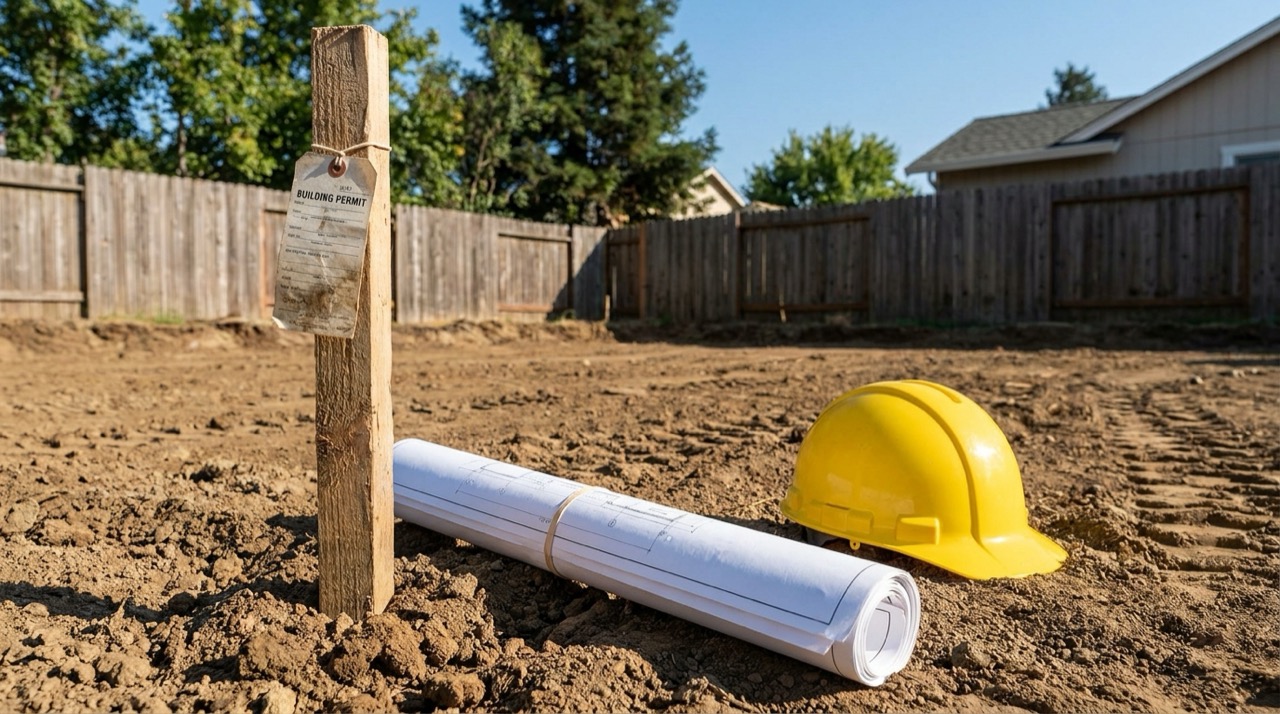
Yes, an inground pool in Blount County requires a permit, and Tennessee requires a safety barrier around a residential pool, typically a fence of a required height with self-closing, self-latching gates. Beyond that, the exact steps, fees, and specifications are set at the county and jurisdiction level and can change, so verify current requirements with the Blount County office before planning around any specific rule. Morales Outdoor Living pulls the permit and builds to the current barrier code as part of the job.
- An inground pool in Blount County requires a building permit, and the process generally involves plan review, a setback and zoning check, and inspections during construction including the safety barrier.
- Tennessee requires a residential pool to be enclosed by a safety barrier, generally a fence of a required height with self-closing, self-latching gates; the exact dimensions and hardware specs live in the current code and can change.
- Setback distances vary by county, zoning district, plat, and easements, so there is no single number that applies everywhere; they are verified for the specific lot.
- HOA communities may add a separate association review on top of the county permit; verify current permit and barrier requirements with the Blount County office.
Do you need a permit for a pool in Blount County, TN?
Yes. An inground pool requires a building permit, and the pool must be enclosed by a code-compliant safety barrier. The specific steps and fees can change, so verify current requirements with the Blount County office. We handle permitting as part of the build.
What fence does a pool need in Blount County?
Tennessee generally requires a safety barrier, typically a fence of a required height with self-closing, self-latching gates. We build to the current barrier code and recommend confirming the exact specs with the county, since code details can be updated.
The Short Answer
Yes, building an inground pool in Blount County requires a permit, and Tennessee requires a safety barrier around a residential pool. Beyond that, the honest answer is that the exact steps, fees, timelines, and specifications are set at the county and jurisdiction level and can change, so this guide describes the general process, not a fixed rulebook. Before you plan around any specific number or requirement, verify current requirements with the Blount County office. That single call is the most valuable thing you can do early. We handle the permitting as part of our builds, and here is what Maryville homeowners should generally understand.
Permits Exist for a Reason
A pool is a permanent construction project with real safety implications, so like any structure, it goes through a permitting process. In general terms, that process exists to confirm the pool is built to code, sited correctly on your property, and enclosed by a compliant safety barrier before it is used. We do not treat the permit as a hurdle to dodge. A properly permitted pool protects you at resale, because an unpermitted pool can become a problem the moment you try to sell the house.
The General Process
Every county runs its own office, but the broad shape of pool permitting in East Tennessee usually looks like this:
- Application and plans. The build is submitted to the county for review, showing the pool, its location on the lot, and the planned safety barrier.
- Setback and zoning check. The county confirms the pool sits the required distance from property lines and easements. These setback distances vary by zoning district and parcel, which is why we verify them for your specific lot rather than assuming a single number.
- Inspections. The work is inspected at points during construction, and the safety barrier is part of what gets checked before the pool is signed off.
We manage each of these steps so you are not standing in line at the county office. But because the specific fees, forms, and timelines can change, we point you to the county for anything you want to confirm as current fact.
Safety Barriers: What Tennessee Generally Requires
This is the part that matters most for safety, and the part homeowners ask about most. Tennessee requires a residential pool to be enclosed by a safety barrier. In general terms, that means a fence of a required height, with gates that are self-closing and self-latching so the pool cannot be accessed by a small child unsupervised. There are also general expectations around gaps, openings, and how the house wall can serve as part of the barrier.
We are describing the shape of the requirement, not quoting exact dimensions or hardware specs as settled fact, because those details live in the current code and can be updated. The responsible move is to build to the current barrier code, which we do, and to verify the specifics with the Blount County office if you want them confirmed. Our Knox County pool permit, fence, and safety guide shows how much these details can differ from one county to the next, which is exactly why we do not copy one county's numbers onto another.
Setbacks and HOAs
Two more things trip people up. First, setbacks: how close to the property line you can build a pool depends on your county, zoning district, plat, and easements, and there is no single number that applies everywhere. Our guide to how close to the property line you can build explains how that actually works. Second, if you are in an HOA, the association may have its own review and approval process on top of the county permit, and that is a separate step worth starting early.
How We Handle It for You
We pull the permit, verify your setbacks, build to the current barrier code, and coordinate the inspections, so the regulatory side is handled by people who do it constantly. That is also one of the questions worth asking any pool builder: confirm they handle permitting and barriers, because a builder who leaves that to you is leaving you exposed. Our Blount County pool permit resource collects the local details in one place.
Why You Never Skip the Permit
It can be tempting to think of a permit as red tape, especially on a rural lot where nobody seems to be watching. Do not do it. An unpermitted pool is a liability that follows the property, and it tends to surface at the worst possible moment, when you sell. A buyer's inspector, appraiser, or lender can flag an unpermitted structure, and unwinding that after the fact, sometimes with retroactive inspections or corrections, is far more painful than simply permitting the pool from the start. A properly permitted, code-barriered pool is also a safer pool, which is the entire point of the process. We treat permitting as part of doing the job right, not as an optional add-on.
What to Ask the County
If you want to confirm anything as current fact before you plan, a short call to the Blount County office answers most of it. Good questions to ask: what the permit application requires for a residential pool, what the current safety-barrier specifications are, what the setback distances are for your specific zoning district, and whether your parcel carries any easement or floodplain considerations. Because those answers can change and are specific to your lot, the county is the authority, not a blog post. We are glad to make that verification part of scoping your project.
Plan the Pool, We Handle the Paperwork
If you are budgeting a Maryville pool, our Maryville pool cost guide uses the same honest East Tennessee ranges we quote everywhere, and our Maryville pool construction page shows local work. When you are ready, request a free estimate and we will scope your project, permitting included, or get in touch with questions. And whatever you read here, verify the current specifics with the Blount County office before you plan around them.
Christopher Morales
Co-founder of Morales Outdoor Living. 16+ years designing and building pools, patios, decks, and complete outdoor living spaces across East Tennessee. TN License #77919.
Meet the team