Quick Answer
Quality capped composite decking, like Trex and TimberTech, barely fades in East Tennessee sun and pollen. It is wrapped in a hard, UV-stable polymer shell engineered to resist fading and staining, and those brands back it with 25 to 50 year fade-and-stain warranties. Most of what homeowners here call fading is actually pollen, dust, and mold film sitting on the surface, which washes off with a hose and deck cleaner.
- Capped composite wraps the board in a hard polymer shell with UV-stable color baked in, specifically engineered to resist fading, staining, and moisture.
- Old, uncapped composite from 15 to 20 years ago absorbed moisture, grew mold, and faded badly, which is where composite's fading reputation actually comes from.
- Maintenance is simple: rinse the deck a couple of times a year (more during pollen season) and clear leaves and debris so organic film does not sit and grow.
- A small, uniform weathering can happen in the first few months as boards settle to their final tone, but that is not the same as true fading.
Does composite decking actually fade in Tennessee?
Quality capped composite barely fades and carries 25 to 50 year fade-and-stain warranties. Cheap uncapped composite can still fade and mold.
What is actually causing my deck to look faded?
In most cases it is pollen, dust, and mold film sitting on the surface, not true color fade. It washes off with a hose and a deck cleaner.
A Fair Question in Our Climate
East Tennessee throws a lot at a deck: intense summer sun, humidity, and that yellow blanket of spring pollen. So "does composite decking fade?" is a smart thing to ask before you spend real money. Here's the honest answer, not a sales pitch.
Short Version: Quality Capped Composite Barely Fades
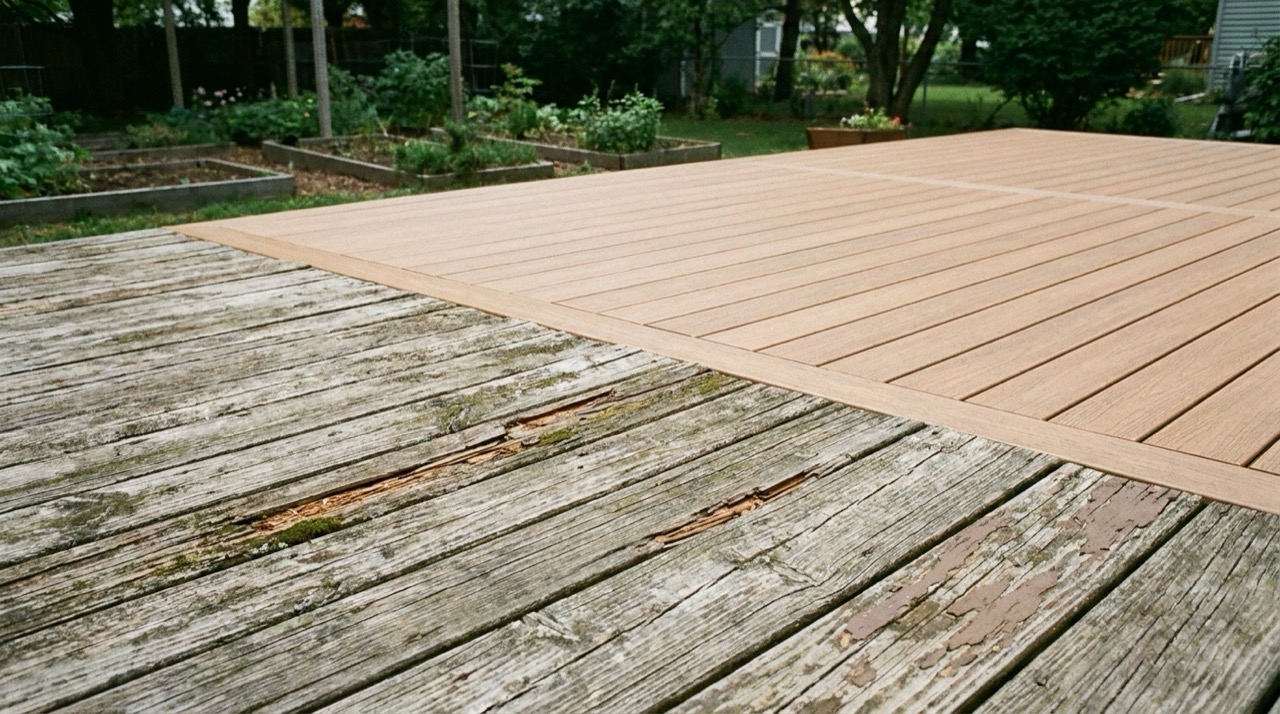
Modern composite from brands like Trex and TimberTech is capped, wrapped in a hard polymer shell with UV-stable color baked in. That cap is specifically engineered to resist fading, staining, and moisture. These brands back it with fade-and-stain warranties of 25 to 50 years. A small, uniform "weathering" can happen in the first few months as the boards settle to their final tone, but true fading? Minimal.
So Where Did "Composite Fades" Come From?
Two real reasons:
- Old, uncapped composite. First-generation composite from 15 to 20 years ago wasn't capped. It absorbed moisture, grew mold, and faded badly. That reputation stuck, even though the product changed completely.
- It's not fading, it's film. What most homeowners here see and call "fading" is actually a layer of pollen, dust, and mold film sitting on the surface, especially in shade or under trees. It washes right off with a hose and a deck cleaner. The color underneath is fine.
How to Keep a Composite Deck Looking New
- Buy capped composite (Trex, TimberTech), not bargain uncapped board.
- Rinse it a couple times a year, more during pollen season.
- Clear leaves and debris so organic film doesn't sit and grow.
That's genuinely the whole maintenance routine, which is the entire point of composite versus wood.
The Honest Take
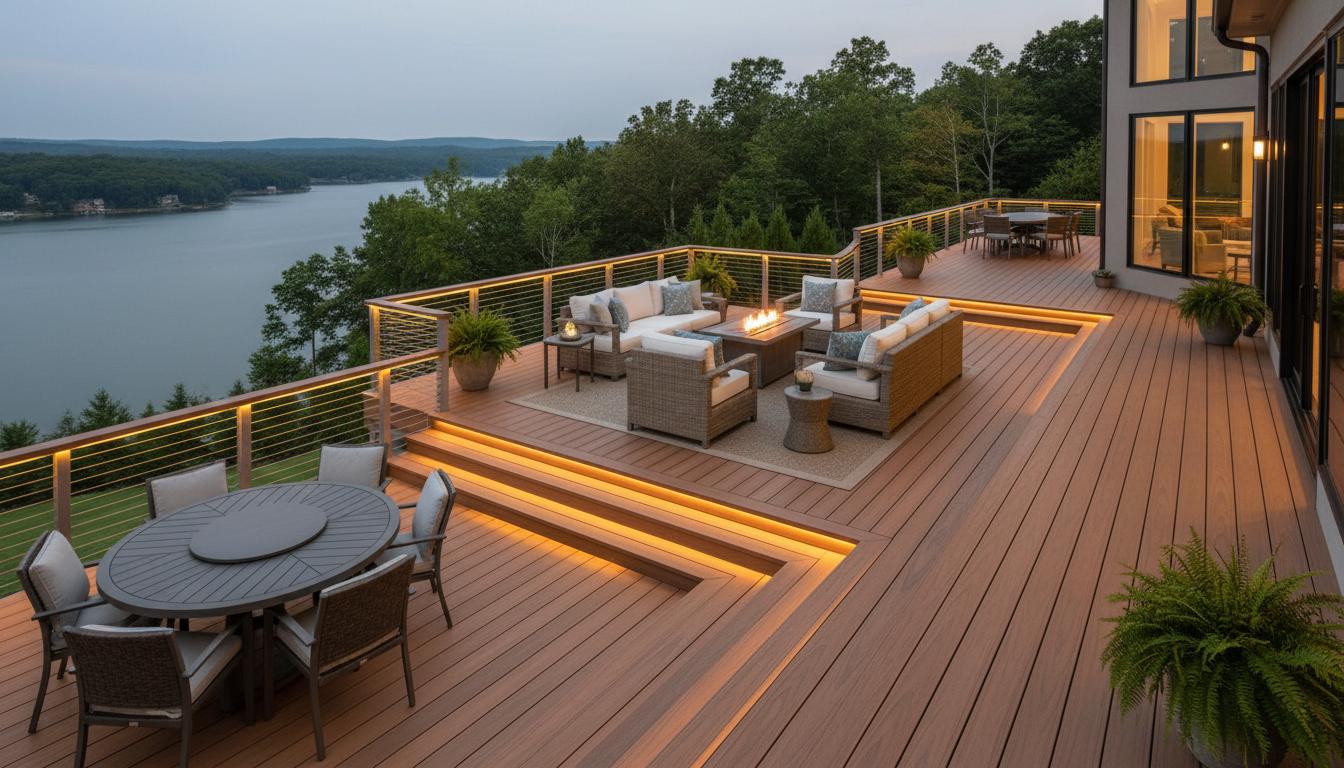
If someone installs cheap uncapped composite, yes, you may see fading and mold. Install quality capped composite, the kind we build with, and you get a deck that holds its color for decades with nothing but an occasional rinse. Compare your options in composite vs. wood vs. aluminum, see our composite decks, or get an estimate.
Christopher Morales
Co-founder of Morales Outdoor Living. 16+ years designing and building pools, patios, decks, and complete outdoor living spaces across East Tennessee. TN License #77919.
Meet the teamLike this guide? Add Morales Outdoor Living as a preferred source on Google.