Quick Answer
Keeping pavers looking good in Knoxville means fighting two seasonal extremes: winter freeze-thaw that cracks pavers not properly cared for, and summer heat and humidity that fade colors and grow mold and mildew. Choosing the right material, keeping joints filled with polymeric sand, and staying ahead of drainage and ice before winter hits are what keep a paver surface intact for decades.
- Knoxville's freeze-thaw cycle can crack pavers if they are not cared for ahead of time, while summer heat and humidity fade colors and encourage mold and mildew growth.
- Polymeric sand in the joints prevents weed growth and insect infiltration and should be refilled as part of regular maintenance; periodic sealing adds a protective layer against stains and wear.
- Proper grading, drain channels, and permeable pavers redirect rainwater and prevent pooling that can seep toward the foundation; gutters and downspouts should be kept clear to route water away from the paver surface.
- For winter, use a plastic shovel instead of metal to avoid scratching pavers, use sand or kitty litter instead of deicing chemicals for traction, and seal in fall before winter to reduce water absorption that can freeze and expand.
Do I need to seal my pavers in Knoxville?
Sealing is recommended as part of regular maintenance since it protects against stains, weather damage, and general wear, and it is especially advised in fall before winter freeze-thaw sets in.
What should I use to de-ice a paver surface?
Sand or kitty litter for traction rather than deicing chemicals, and a plastic shovel instead of metal to avoid scratching the surface.
Maintaining your pavers and hardscaping in Knoxville’s unique climate can be a challenge. From freezing winters to humid summers, your outdoor spaces need special care to stay beautiful and last long. Here are some friendly tips to help you keep your pavers looking their best year-round.
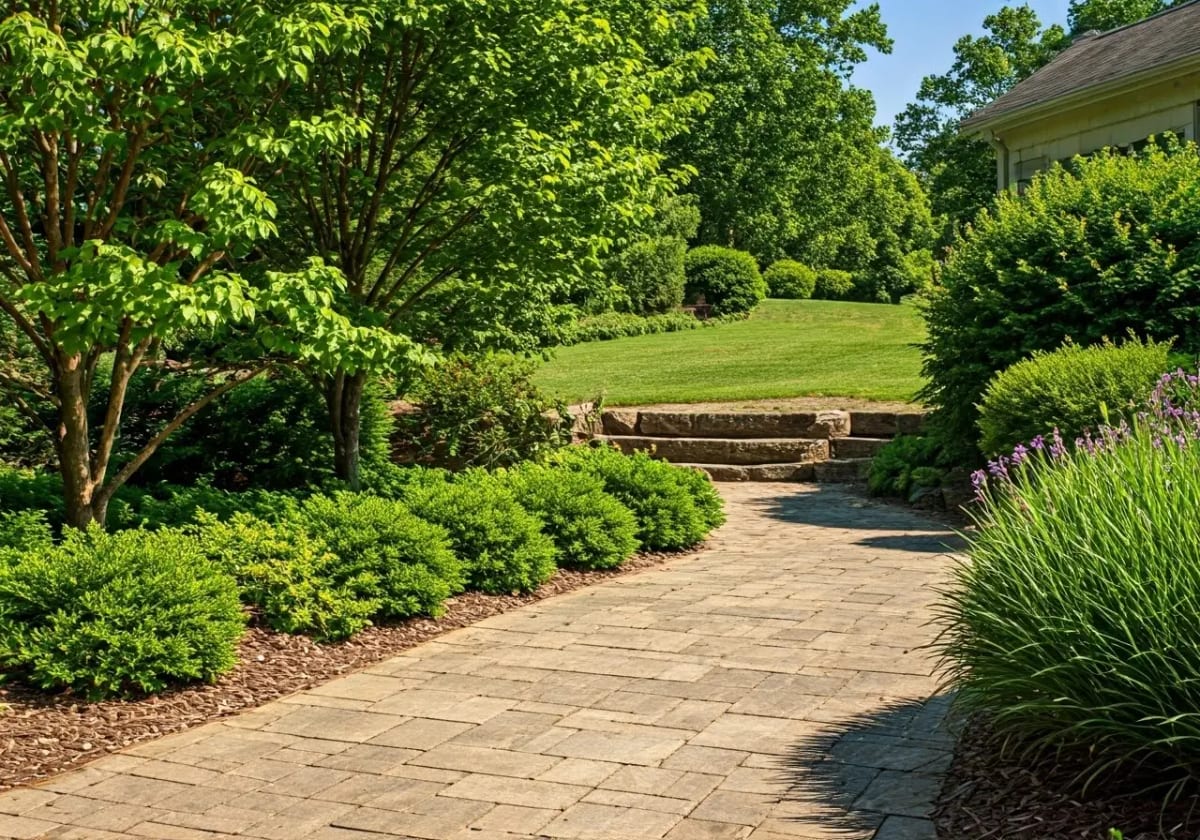
1. Understanding Knoxville’s Climate Challenges
Knoxville experiences a range of weather patterns over the year, from cold winters to hot summers. Knowing how these conditions affect your pavers helps in choosing the right maintenance strategy. The freeze-thaw cycle prevalent during winter can cause pavers to crack if not properly cared for. This makes it crucial to preemptively address and tackle potential issues before the harsh weather hits. During warmer months, excessive heat and humidity can also lead to the fading of colors and the growth of mold and mildew on your surfaces, emphasizing the need for thoroughly understanding and preparing for Knoxville’s climate challenges.
2. Choosing the Right Materials
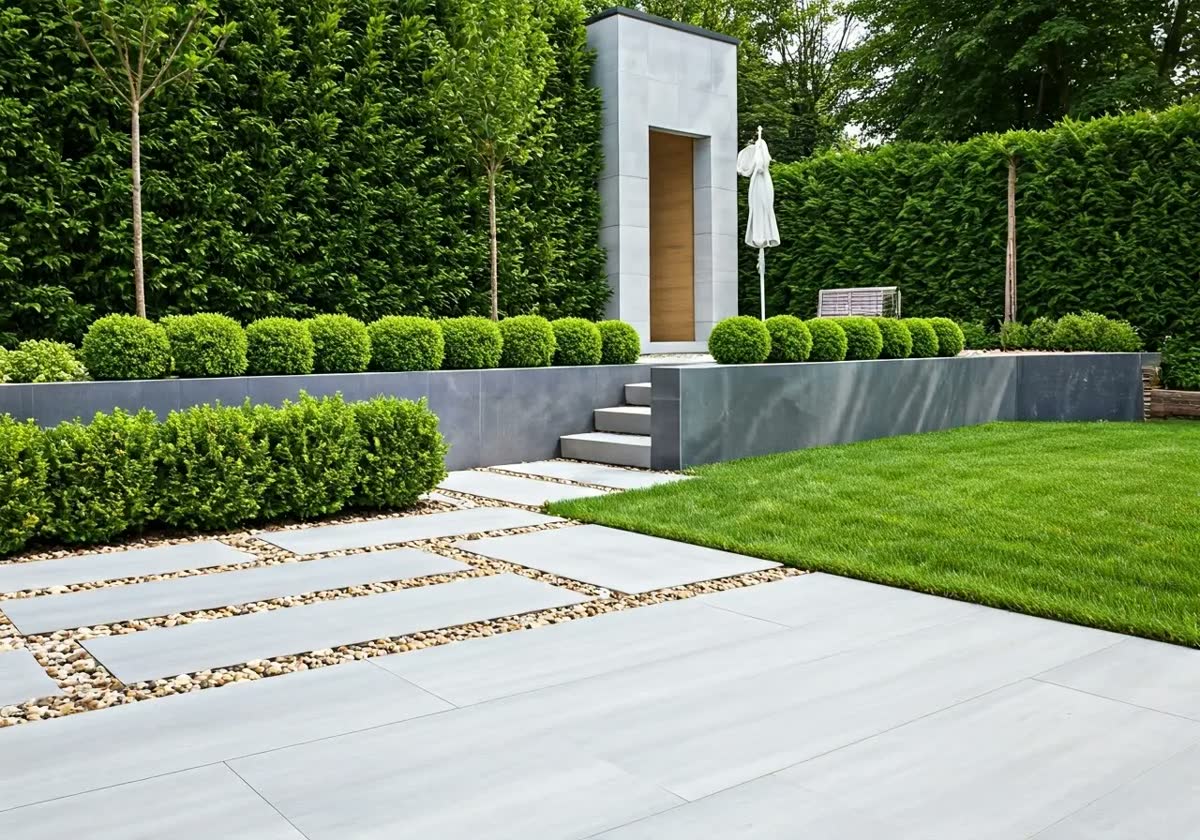
Selecting pavers and materials that can stand up to Knoxville’s climate is crucial. Different materials respond to the weather in unique ways, and choosing wisely can make a huge difference. For areas prone to heavy rains, consider permeable pavers that allow water to pass through, reducing standing water. For a sleek, modern look that also withstands heat, porcelain pavers might be the right choice as they are highly durable and resistant to weather changes. It’s beneficial to consult with professionals for choosing materials that not only complement your aesthetic preferences but also persist through Knoxville’s varying climate conditions.
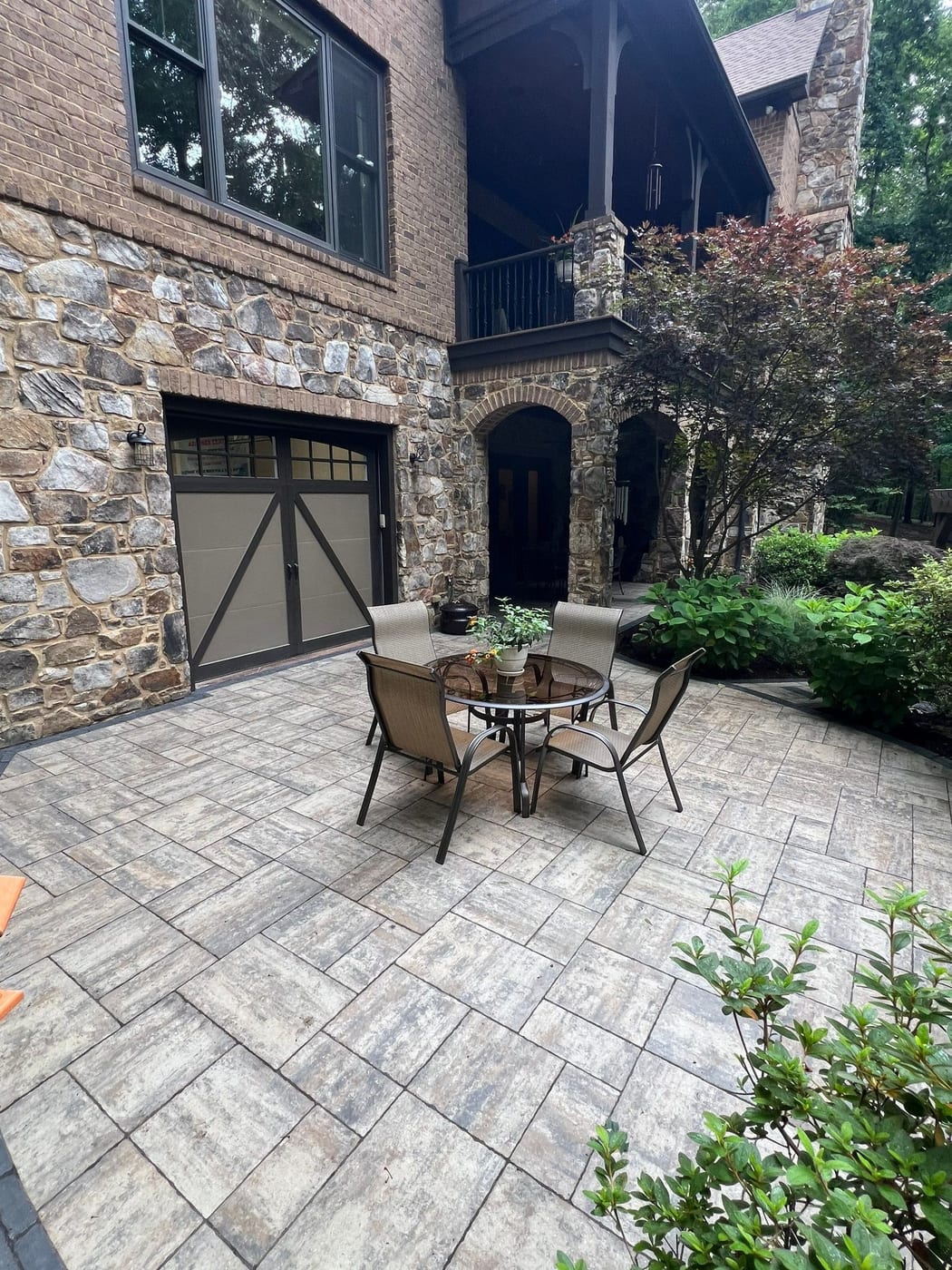
Materials such as natural stone offer strong resistance against the elements and provide a timeless aesthetic appeal. With proper maintenance, these materials can last for decades. Regularly sealing these surfaces will help maintain their appearance and resist wear from the elements. Incorporating polymeric sand between pavers can prevent weed growth and insect infiltration, keeping the structure intact for a long time. Whichever material you decide on, ensure it’s suitable for your specific landscape and weather conditions to make the most of your investment.
3. Regular Cleaning and Maintenance
Keeping your pavers clean is essential to their appearance and longevity. Here’s a step-by-step guide on how you can keep your outdoor space pristine all year round. Start by sweeping the paver surface of loose debris and plant material that might cause discoloration or clog drains. Following this, you can use a garden hose with a high-pressure attachment to rinse away this initial layer of dirt. For deeper cleanings, consider using a gentle power washer on an appropriate setting to avoid damaging your pavers. Always opt for a power washing service that understands the specifics of different materials and can tailor the water pressure accordingly.
After cleaning the pavers, it’s vital to refill the spaces between them using joint sand to prevent shifting. Polymeric sand is highly recommended for this as it contains additives that bind when moistened, further stabilizing the paver structure and helping to maintain the integrity of the installation. Completing this step as part of your regular maintenance routine will keep your hardscape appealing and functional. Consider sealing your pavers on a regular basis, as it extends their life by adding a protective layer that guards against stains, weather damage, and general wear.
4. Dealing with Rain and Moisture
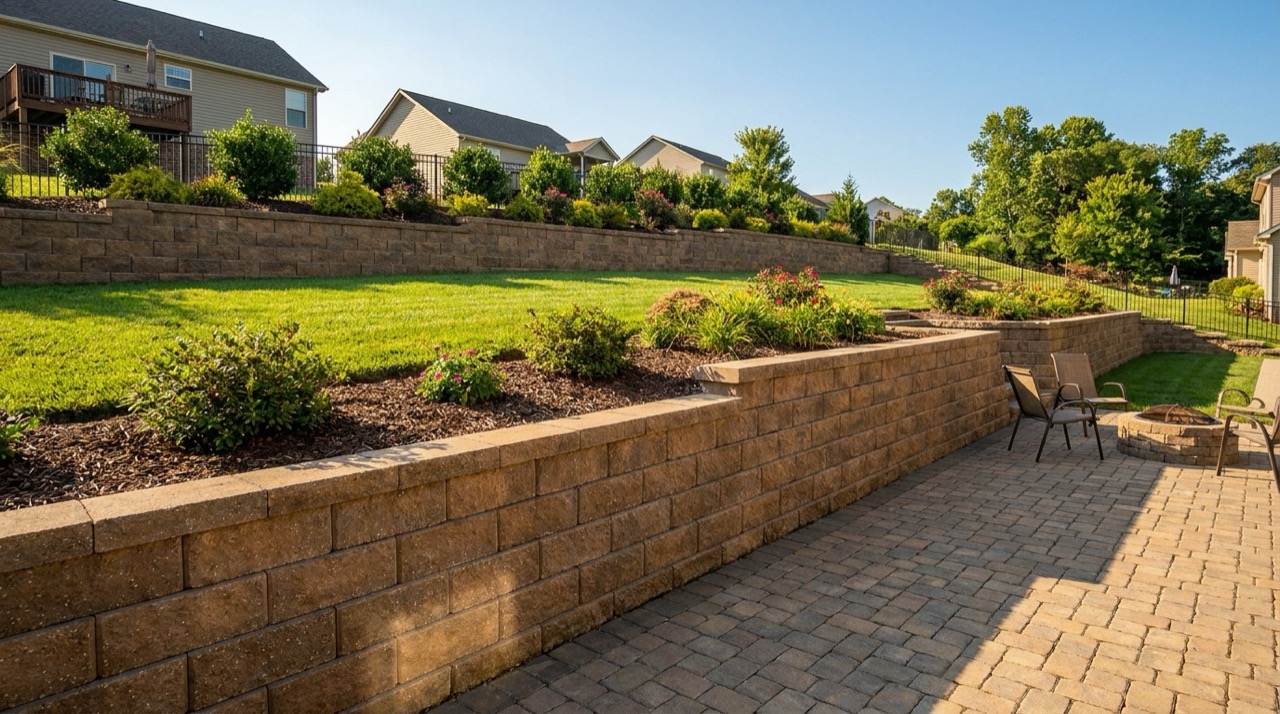
Heavy rainfall can lead to water pooling and damage. Learn how to improve drainage and maintain your hardscaping to protect against moisture-related issues. Proper grading and drainage systems help redirect excess water away from your pavers. Incorporating drain channels and permeable pavers can significantly enhance water management by preventing puddling and possible seepage into your foundation. Regularly inspect and clean gutters and downspouts to facilitate optimal water flow away from your property.
Ensure that the water runs away from the paver surface, and avoid directing water flow toward your patios and driveways. Clearing leaves and debris from nearby areas can also prevent stormwater from bringing extra dirt or obstructing drainage paths. For climates with frequent rains, consulting with experts to incorporate designs that include strategic rises and swales can better manage rainwater and protect your pavers from wear and early deterioration.
5. Protecting Against Ice and Freezing Conditions
Winter freeze can be especially harsh on pavers. We discuss how to prevent cracks and heaving with some easy maintenance measures and enthusiast-approved strategies. One actionable tip is to apply a plastic shovel instead of a metal one to remove snow, as metal tools can scratch and damage surfaces. Additionally, using sand or kitty litter can provide traction instead of harsh deicing chemicals, which have the potential to damage the surface of your pavers over time. Making small, consistent efforts to prevent ice accumulation will be beneficial in the long run.
Regularly monitoring and addressing small cracks and chips during warmer months can prevent them from expanding during freeze-thaw cycles. It’s advisable to use a sealant that offers protection against water infiltration in fall, before winter hits. This precaution helps in reducing the absorption of water that might freeze and expand, leading to severe damage. This is an essential step to ensure your beautiful pavers endure for many seasons to come without the worry of additional repairs.
Christopher Morales
Co-founder of Morales Outdoor Living. 16+ years designing and building pools, patios, decks, and complete outdoor living spaces across East Tennessee. TN License #77919.
Meet the teamLike this guide? Add Morales Outdoor Living as a preferred source on Google.