Quick Answer
For East Tennessee, the best pavers are the ones chosen for our freeze-thaw winters and heavy clay soil: dense, freeze-thaw-rated concrete pavers as the everyday workhorse, porcelain where you want almost zero water absorption and no sealing, and travertine around pools for a stone look that stays cooler underfoot. Low water absorption is what actually matters here, and the compacted, draining base under the pavers matters as much as the material.
- East Tennessee winters swing above and below freezing repeatedly, so the paver that lasts is the one that absorbs the least water for that freeze-thaw cycle to work on.
- Dense, freeze-thaw-rated concrete pavers are the local workhorse; porcelain absorbs almost no water and never needs sealing; travertine holds up to frost when set and sealed right and stays cooler around pools.
- Heavy red clay holds water and swells and shrinks with the seasons, so pavers set straight on graded clay heave and lift; excavating to stable ground and building a compacted, open-graded stone base is what prevents it.
- A foundational paver patio around 400 square feet generally starts near $35,000 in this market, with premium large-format, travertine, and porcelain builds climbing from there.
What is the best paver for East Tennessee freeze-thaw and clay?
A dense, freeze-thaw-rated concrete paver or porcelain, set on a compacted, open-graded stone base that drains. Low water absorption plus a proper base is what survives our winters and clay soil.
Why does the base matter as much as the paver?
Our clay holds water and moves with the seasons. Pavers dropped on graded clay telegraph that movement as humps and lifting joints, so excavating to stable ground and building a draining stone base is what makes any paver last.
Most paver guides you find online are written for the whole country at once, so they hedge across deserts, coastlines, and snow country and never quite tell you what to put in your backyard. In East Tennessee we do not have to hedge. Around Knoxville, Maryville, and Farragut we build for one specific climate: humid summers, wet shoulder seasons, and a winter that swings above and below freezing over and over. That freeze-thaw cycle, sitting on top of our heavy clay soil, is what actually decides whether a paver patio still looks sharp in ten years or heaves, cracks, and stains. Here is how we choose pavers for the conditions we actually build in.
Why East Tennessee Is Hard on the Wrong Paver
People assume our winters are too mild to matter. They are mild, but mild is exactly the problem. A place that stays frozen all winter freezes once and holds still. East Tennessee freezes overnight and thaws by afternoon, day after day, from December through February. Every one of those cycles is a chance for water that soaked into a porous paver, or into the joints and base beneath it, to freeze, expand, and pry things apart. Add our humidity and heavy seasonal rain, and moisture is almost always present for that cycle to work on. The paver that survives here is the one that takes on the least water in the first place.
The Freeze-Thaw Test: Low Water Absorption Wins
The single most useful thing to compare when choosing a paver material for our region is water absorption, meaning how much moisture the material soaks up. The lower it is, the less there is to freeze and expand.
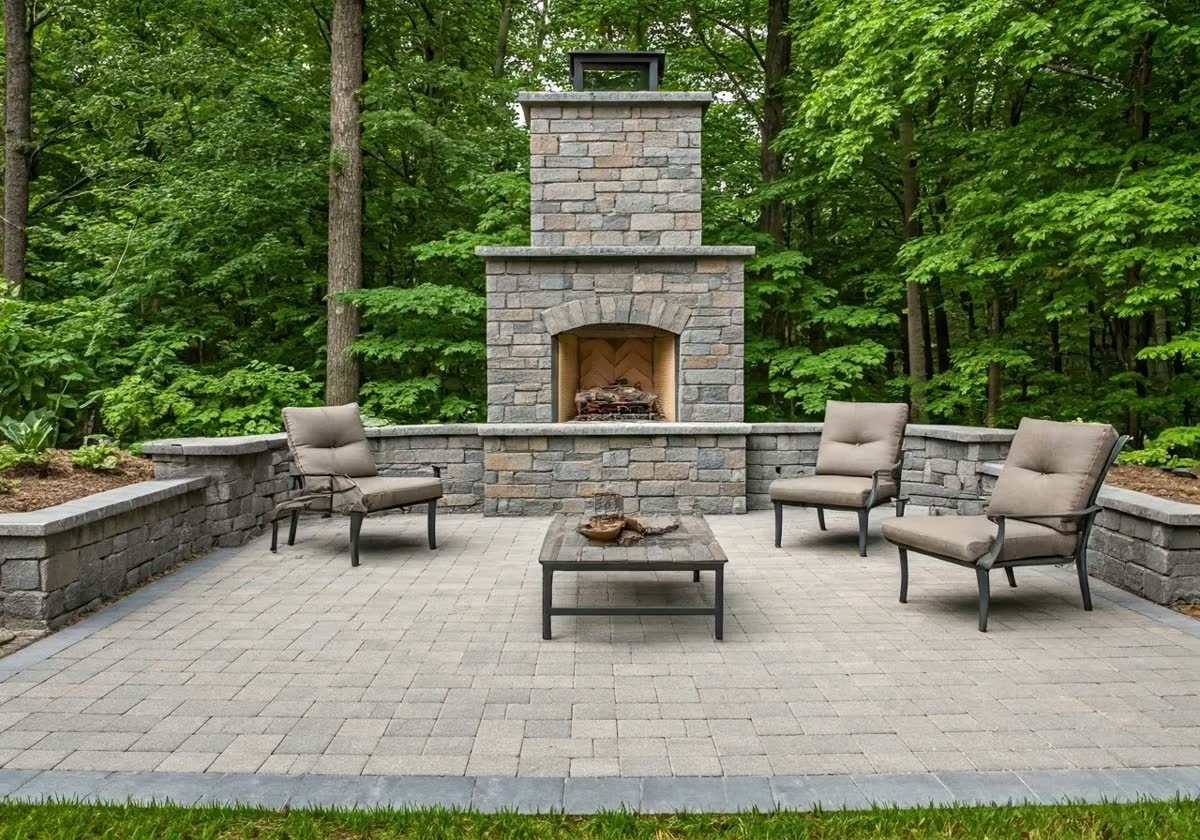
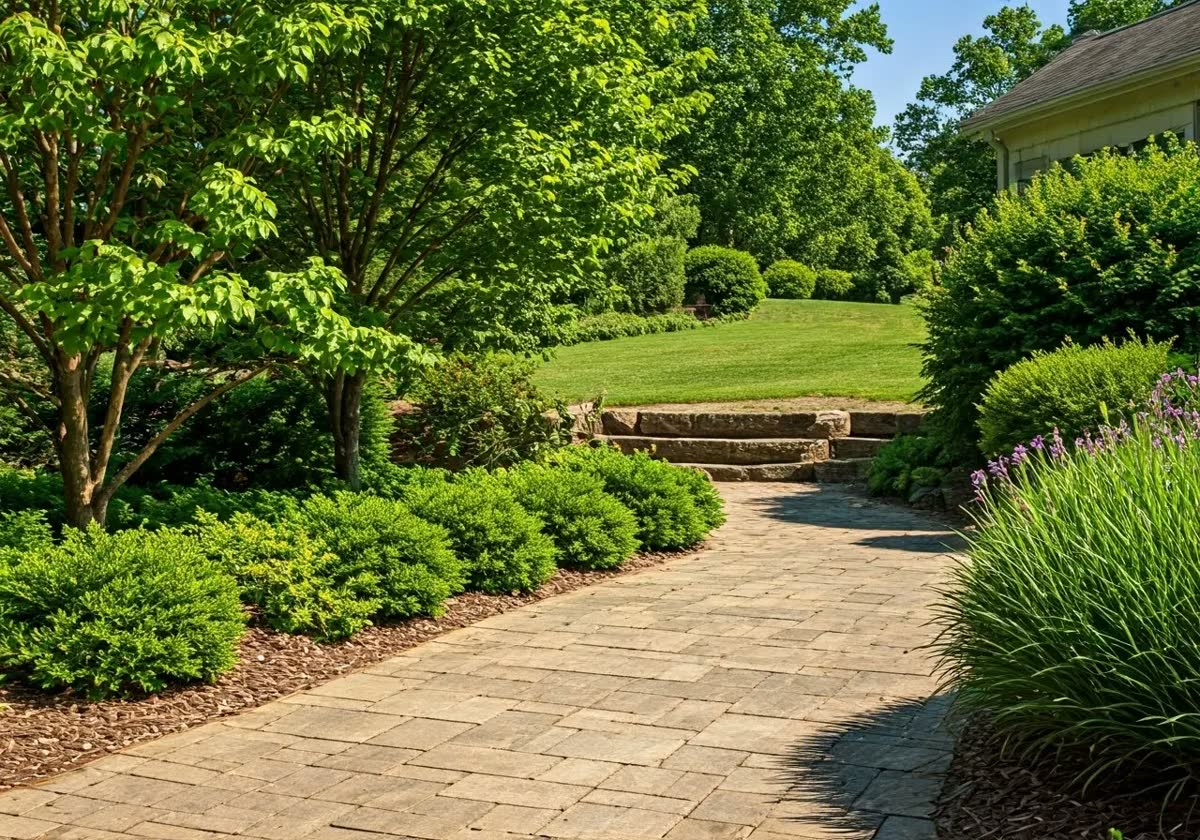
- Concrete pavers, the modern interlocking kind, are engineered dense and rated for freeze-thaw. A quality concrete paver is our workhorse for East Tennessee patios and walkways because it handles the cycle, comes in endless styles, and can be lifted and reset if the ground ever moves.
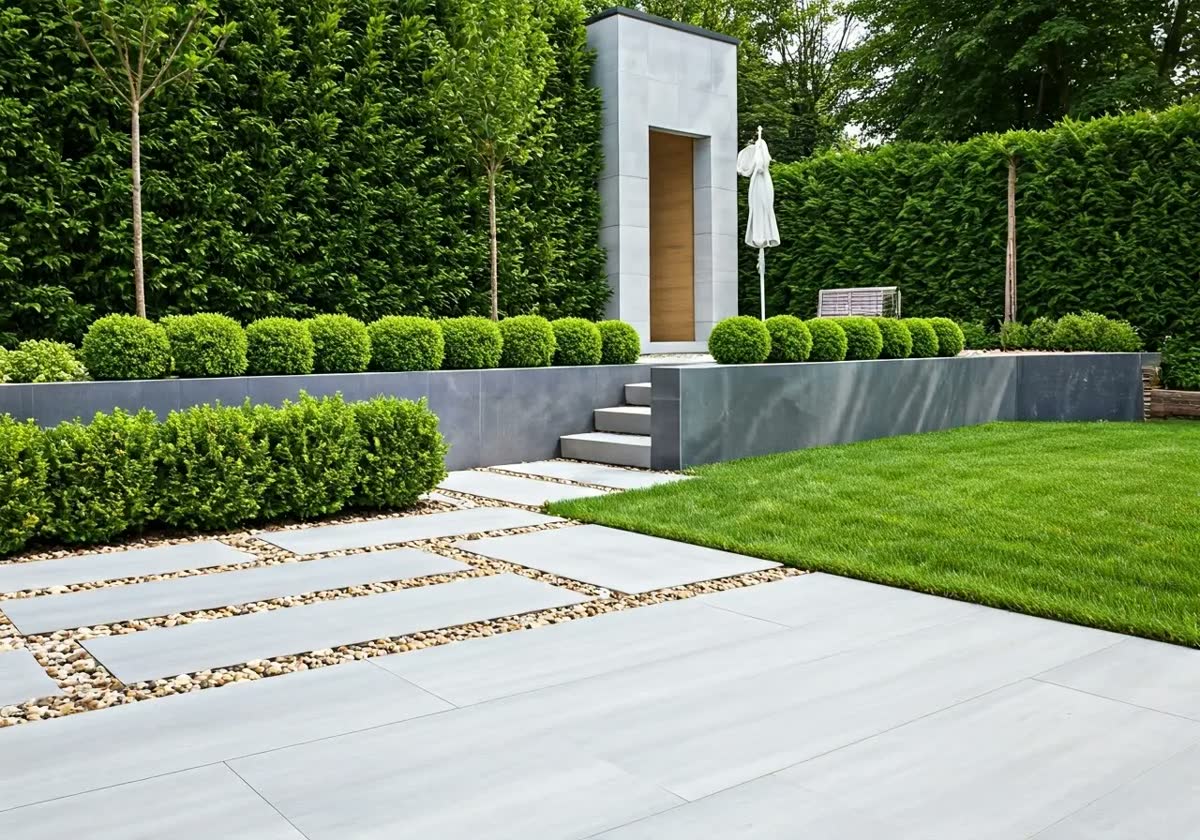
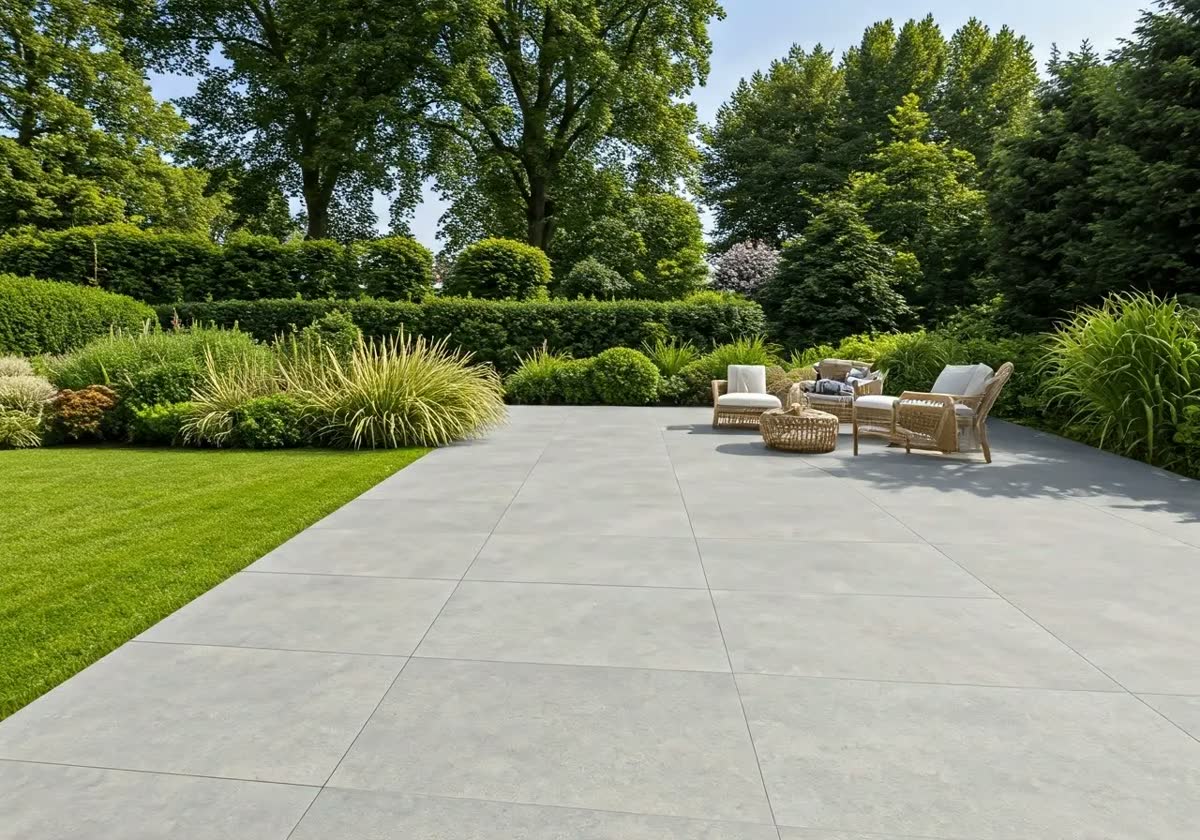
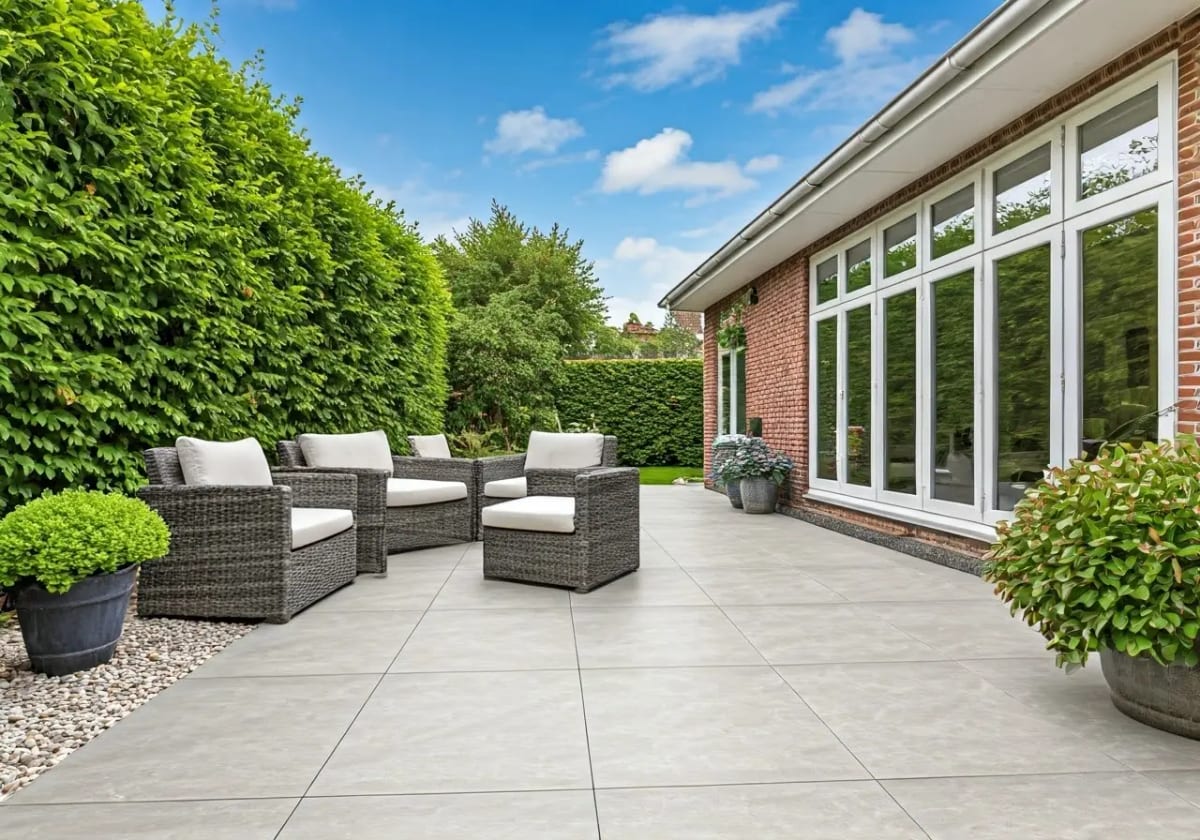
- Porcelain pavers absorb almost no water at all, which makes them outstanding in a freeze-thaw climate. They do not fade, they resist stains and chlorine, and they shrug off the temperature swings. We use them often on modern patios and pool decks, and we go deeper on that in porcelain pavers for East Tennessee pool decks and patios.
- Travertine, a natural stone, is dense and holds up well to frost when it is set and sealed correctly, and it stays cooler underfoot in our summers, which is why it is a favorite around pools.
Clay Soil Is the Other Half of the Equation
Freeze-thaw gets the attention, but our soil quietly causes just as many failures. Much of East Tennessee sits on heavy red clay, and clay does two things pavers hate. It holds water instead of draining it, which keeps that freeze-thaw moisture right where it can do damage. And it swells when wet and shrinks when dry, so the ground itself moves under the patio through the seasons. Drop pavers straight onto graded clay and they telegraph every bit of that movement as settling, humps, and lifting joints. This is the number one reason patios fail here, and we broke it down in why paver patios fail in East Tennessee.
The Base Matters More Than the Paver
Because of that clay, the paver you pick is only half the decision. What goes under it matters more. We excavate down to stable ground, then build a compacted, open-graded crushed-stone base that drains water away instead of trapping it against the clay, edge it so nothing creeps, and set the pavers on that. Done right, the base is what lets any of these materials reach the long life they are capable of. It is also why a patio that lasts is not the cheapest thing on the block. If you want the full picture of how long a properly built patio should last here, we covered it in how long a paver patio lasts in East Tennessee.
What We Steer Homeowners Toward, and Away From
For most East Tennessee backyards we reach for dense concrete pavers or porcelain, with travertine when the look calls for it, especially around a pool. We are cautious with soft, highly porous materials and with anything that only survives on constant sealing, because sealing is maintenance and maintenance gets skipped. On that note, sealing is optional on some materials and worthwhile on others, and we lay out when it is worth it in should you seal your paver patio. If you are still weighing pavers against poured or stamped concrete, pavers vs stamped concrete vs travertine compares them head to head for our climate, and maintaining pavers in the Knoxville climate covers the upkeep side.
Brands and Budget
Once you have settled on a material, the brand and paver line still matter for color, texture, and warranty. We compare the manufacturers we trust in our paver brand comparison. On budget, a paver patio is priced by size, material, and site conditions more than anything, and our clay and slope are real cost factors. A foundational paver patio around 400 square feet generally starts near $35,000 in our market, with premium large-format, travertine, and porcelain builds climbing from there. The full breakdown lives in our patio and hardscape cost guide, and you can see the range of what we build on the hardscaping page.
Build It for This Climate
The right paver for East Tennessee is the one chosen for our freeze-thaw winters and clay soil, set on a base built to drain and hold, not a national average pulled off a chart. If you are planning a patio, walkway, or pool deck, request a free estimate and we will look at your actual lot, soil, and drainage, or get in touch to talk through materials before you commit.
Christopher Morales
Co-founder of Morales Outdoor Living. 16+ years designing and building pools, patios, decks, and complete outdoor living spaces across East Tennessee. TN License #77919.
Meet the teamLike this guide? Add Morales Outdoor Living as a preferred source on Google.